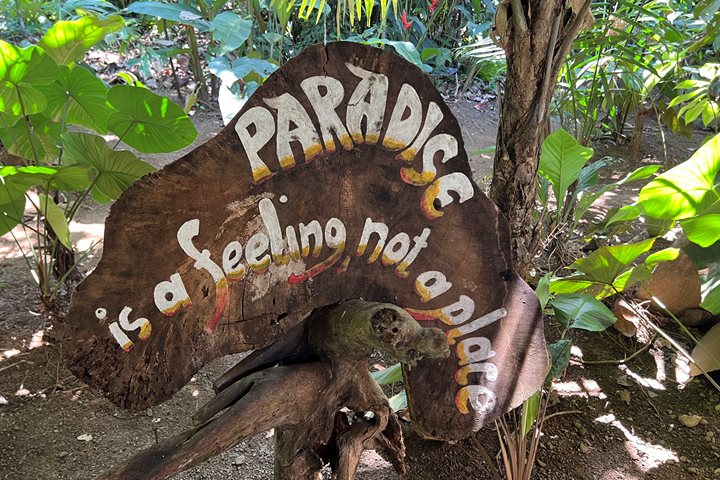
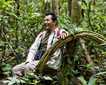
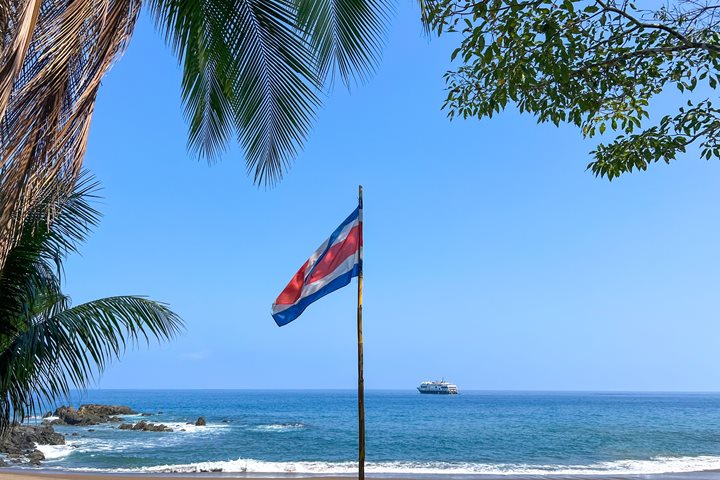
Today was our last day in Costa Rica. We had an early start since there were different activities to choose from. Our guests had great opportunities for sociocultural experiences like visiting a rural chocolate plantation, sugar cane production, family gold panning, and a hike into a biological station. In all of these activities they had the chance to learn about the way of producing things, ways of living, nature photo opportunities, and also about medicinal plants. And of course there were great surprises such as dolphins that came to play around our ship.
3/20/2025
Read
National Geographic Quest
Caletas Private Reserve and Corcovado National Park
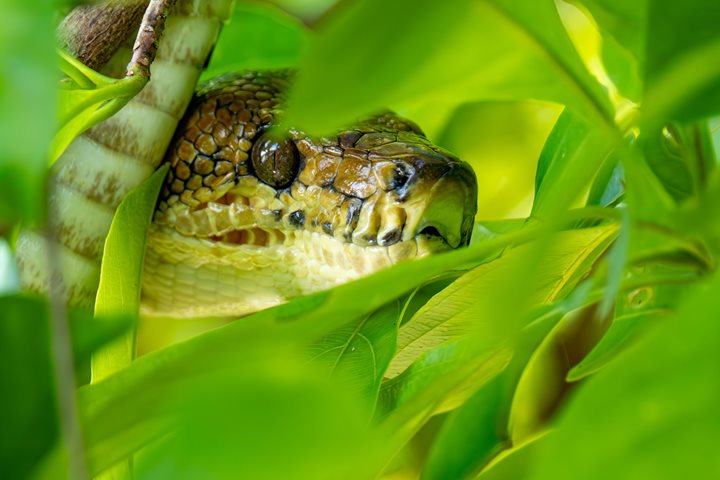
Over five days ago, we began our journey in Panama and now we’re on our last day in Costa Rica. We decided to explore one of the most important areas in terms of biodiversity, the Osa Peninsula. The Osa Peninsula is home to approximately 4% of the biodiversity in the world. For many years, people tried to mine the area because it is very rich in minerals, specifically gold. Over thirty years ago the government of Costa Rica decided to promote the country as a tourist destination and today it is a pioneer of sustainability in Central America. We began our morning activities offering different options for our guests. The first activity was a coastal walk, and some had the opportunity to see a boa, a white-throated capuchin monkey, and a mantled howler monkey. In the afternoon, part of our group chose to go for a waterfall hike led by our naturalists, and they finished at a swimming hole where they took time to relax and enjoy themselves. Other guests took the long Pargo trail where they saw a Central American spider monkey, and a tapir, one of the most difficult animals to see in the tropics. We finished our day with an amazing sunset from the bow of the National Geographic Quest , a great end to a great day.