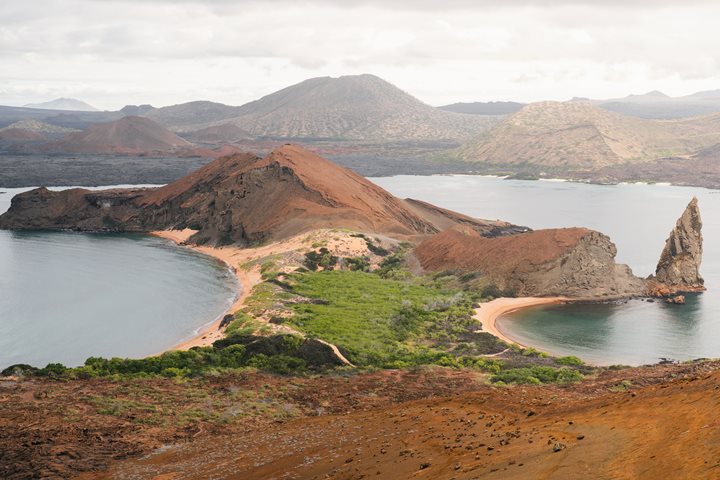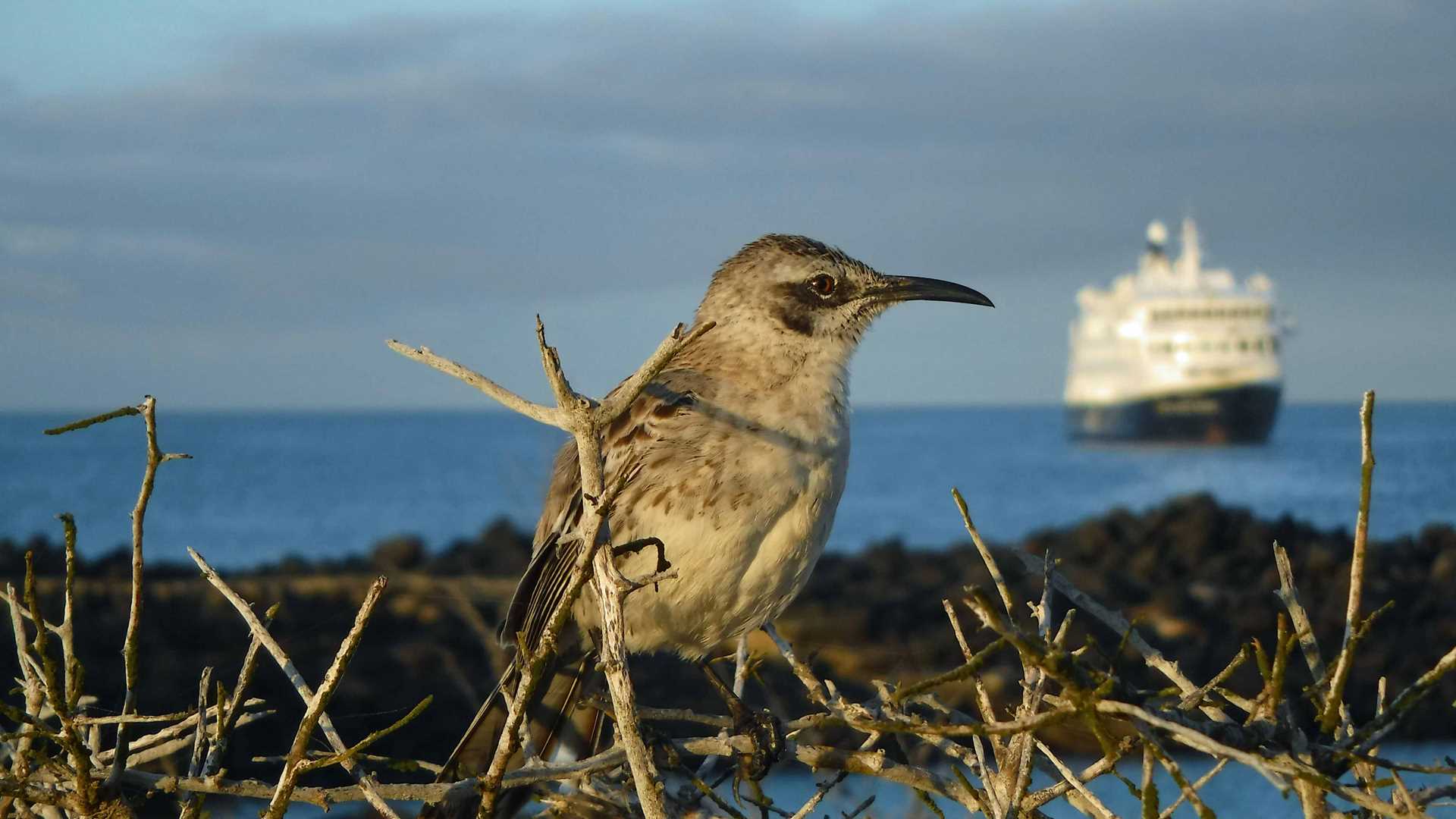
Española is one of the oldest islands of the Galapagos, and therefore is one of the most eroded by the elements. The degradation of this landscape has provoked the loss of some niches, but had at the same time originated new unique ones that are home for some species existing only in this island. We explored the northeastern end of the island at Gardner Bay during the morning and the western end at Suarez Point during the afternoon. In these places we could observe the hood mockingbird, an endemic-to-this-island long curved bird that seems to be attracted by human visitors. Other of the other unique species of this island was the Española lava lizard the biggest of all the lizards found in the Archipelago. The playful relaxed sea lions were definitely one of the main attractions during our walks and snorkeling activities at this island.
6/13/2025
Read
National Geographic Endeavour II
Genovesa Island
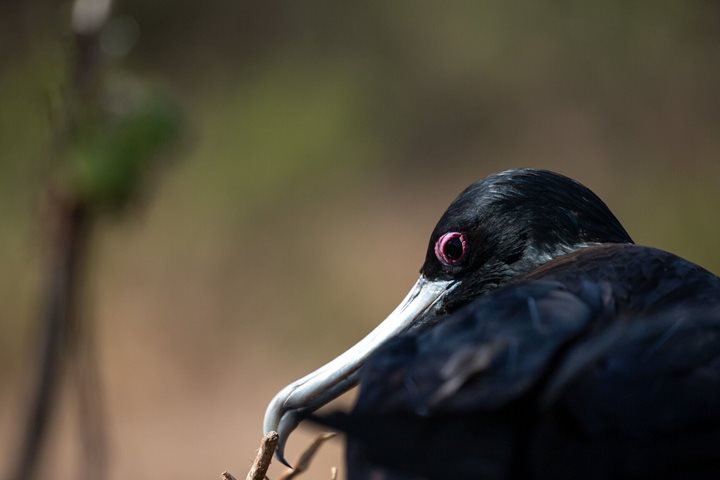
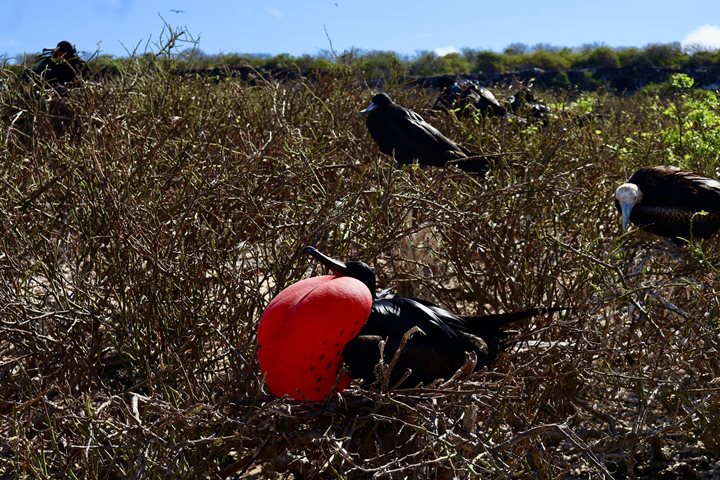
We started the day with excitement as we landed on the beautiful, pristine coast of Isla Genovesa - a true birder’s dream. Along the sandy beaches and steep cliffs of Darwin Bay, we were surrounded by an incredible array of birdlife. Frigatebirds soared closely overhead with their red pouches on full display, while Nazca and blue-footed boobies nested along the rocky ledges. Swallow-tailed gulls called out as we walked past. In the distance, we saw the stoic and elusive short-eared owl. The island was alive with color, sound, and constant movement. Between our excursions to Isla Genovesa, we snorkeled near Prince Philip’s Steps and discovered a vibrant world beneath the waves. Schools of fish swirled around us, a fur seal turned in the water as if dancing on cue, and sea lions relaxed nearby. As our last snorkeling adventure came to a close, we spotted a sea turtle resting calmly in a crevice. As the sun retreated into the sky on our last return to National Geographic Endeavor II, we reflected on the sheer magnitude of what we witnessed on our last full day. Isla Genovesa, like the other islands, gave us a connection to a sacred world. The harmony between land, sea, and sky reminded us how deeply interconnected, vital, and fragile these ecosystems are. Watching birds tend to their nests and marine life swim effortlessly, we were struck by how little space there is between wonder and reverence. We recognized that our journey wasn’t just about observing unique wildlife, it was about feeling part of something grander and beautifully ancient.